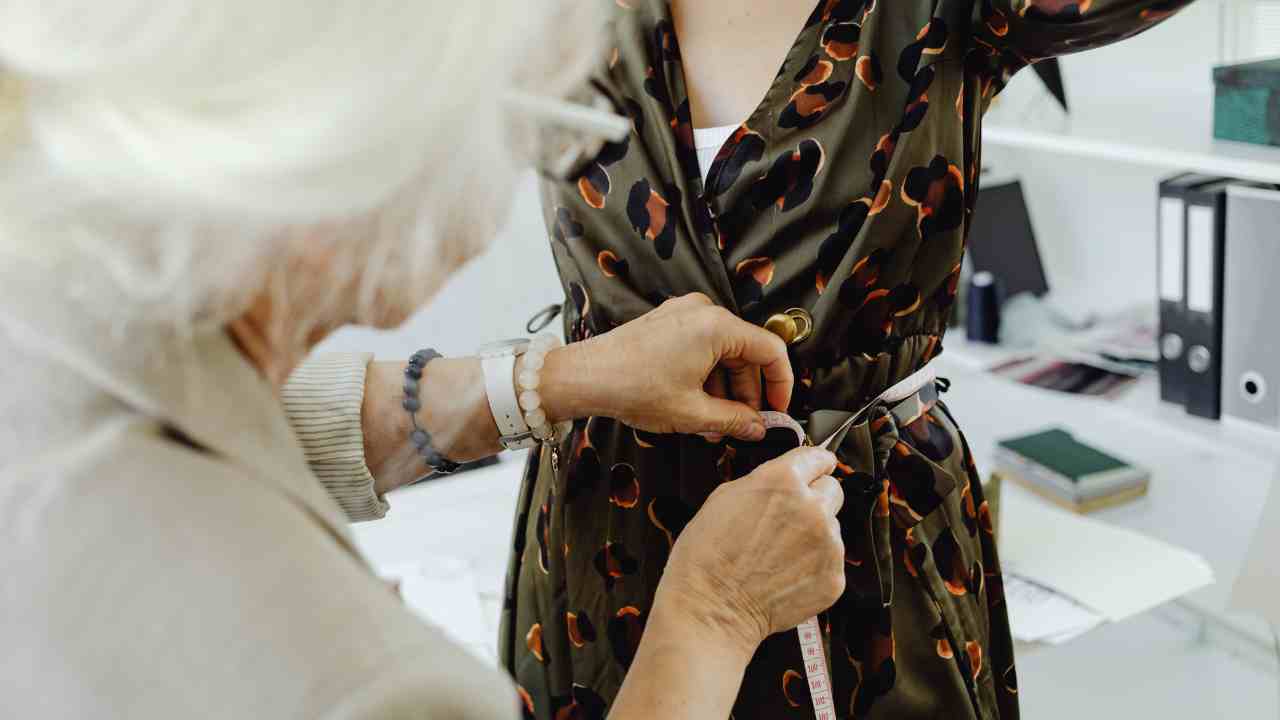
Dressing well isn’t about following every fashion trend—it’s about understanding what works for your body. One of the biggest reasons people feel uncomfortable or underconfident in their outfits is because they unknowingly repeat common dressing mistakes that don’t suit their body shape.
You may have a wardrobe full of clothes, yet still feel like “nothing looks right.” That’s rarely a style problem—it’s a body shape awareness problem.
Every body is unique, and no single outfit fits everyone the same way. When you dress without considering proportions, balance, and structure, even expensive clothes can look awkward. This blog breaks down the most common dressing mistakes based on body shape, explains why they happen, and shows you how to fix them with smart styling choices.
If you want to elevate your appearance, boost confidence, and stop wasting money on the wrong clothes, this guide is for you.
Why Understanding Your Body Shape Matters in Dressing
Before identifying common dressing mistakes, it’s important to understand why body shape matters. Your body shape determines how fabric falls, where volume builds, and how proportions appear visually.
Most people fall into one of these body shapes:
- Pear
- Apple
- Hourglass
- Rectangle
- Inverted Triangle
Ignoring your body shape often leads to:
- Ill-fitting outfits
- Imbalanced proportions
- A bulky or boxy appearance
- Low confidence despite stylish clothes
When your outfits align with your natural structure, you look polished, comfortable, and confident—without trying too hard.
What Are the Most Common Dressing Mistakes People Make?
Many common dressing mistakes are surprisingly simple and easy to fix. These include:
- Wearing the wrong silhouettes for your shape
- Choosing trends over fit
- Ignoring fabric structure
- Overemphasizing problem areas
- Not balancing upper and lower body proportions
These mistakes aren’t about body flaws—they’re about styling choices. Once corrected, your entire look can change instantly.
Common Dressing Mistakes for Different Body Shapes
Common Dressing Mistakes for Pear-Shaped Bodies
Pear-shaped bodies have wider hips and thighs with a narrower upper body. The most common dressing mistakes here involve drawing unnecessary attention to the lower half.
Mistakes to avoid:
- Skinny jeans with clingy tops
- Low-rise bottoms
- Heavy embellishments on hips
- Light colors on bottoms with dark tops
These choices exaggerate hip width and create imbalance.
What works better:
- Structured tops and statement shoulders
- Dark, clean-cut bottoms
- A-line skirts and wide-leg trousers
- Layering to add volume on top
Balancing proportions is key.
Common Dressing Mistakes for Apple-Shaped Bodies
Apple shapes carry weight around the midsection with slimmer legs and arms. The biggest mistake is trying to hide the waist completely.
Mistakes to avoid:
- Tight body-hugging dresses
- Crop tops or clingy fabrics
- Belts placed directly on the waist
- Boxy, shapeless outfits
These styles draw attention to the midsection instead of balancing it.
What works better:
- Empire waistlines
- Flowing fabrics that skim the body
- V-necklines to elongate the torso
- Highlighting legs and shoulders
The goal is visual elongation, not hiding.
Common Dressing Mistakes for Hourglass Body Shapes
Hourglass figures are balanced, but styling mistakes can disrupt that harmony.
Mistakes to avoid:
- Oversized, boxy clothing
- Straight cuts with no waist definition
- Excessive layering
- High-neck, bulky fabrics
These hide natural curves and make the body look heavier.
What works better:
- Tailored silhouettes
- Wrap dresses
- Waist-defining belts
- Structured but flexible fabrics
The aim is to enhance natural balance, not mask it.
Common Dressing Mistakes for Rectangle Body Shapes
Rectangle body shapes have similar measurements across shoulders, waist, and hips. The most common dressing mistake is choosing outfits that emphasize straight lines.
Mistakes to avoid:
- Boxy tops and dresses
- Straight cuts with no shaping
- Minimal detailing
- Head-to-toe monochrome without texture
These choices flatten the body visually.
What works better:
- Ruffles, layers, and peplums
- Belts to create a waist illusion
- Color blocking
- Textured fabrics
Adding dimension creates curves visually.
Common Dressing Mistakes for Inverted Triangle Body Shapes
Inverted triangle shapes have broader shoulders and a narrower lower body. Dressing mistakes usually emphasize the upper body too much.
Mistakes to avoid:
- Shoulder pads
- Boat necks and halter necks
- Skinny jeans with fitted tops
- Heavy detailing on shoulders
These increase top-heavy appearance.
What works better:
- V-necklines
- Flowy bottoms and wide-leg pants
- Minimal shoulder structure
- Visual weight on the lower half
Balance is everything.
How These Common Dressing Mistakes Affect Your Confidence and Image
When clothes don’t fit or flatter, it shows—both visually and emotionally. Repeating common dressing mistakes can lead to:
- Self-conscious body language
- Reduced confidence in social or professional settings
- Feeling “underdressed” or uncomfortable
- Avoiding certain clothes or occasions
Your appearance plays a huge role in first impressions. Dressing right doesn’t mean changing your body—it means working with it.
How Body Shape Analysis Helps You Avoid Common Dressing Mistakes
Professional body shape analysis identifies:
- Your true body proportions
- Ideal silhouettes for your frame
- Clothing cuts that enhance balance
- Styling rules personalized for you
Instead of guessing, you receive clear, actionable guidance. This saves time, money, and frustration while improving how you look and feel daily.
At a finishing school like Finesse, body shape analysis is combined with personal styling, grooming, and confidence coaching for complete image transformation.
Expert Styling Tips to Fix Common Dressing Mistakes Instantly
- Always prioritize fit over trend
- Tailoring makes a bigger difference than brand names
- Use colors strategically to balance proportions
- Choose fabrics that support your structure
- Build a wardrobe around silhouettes, not random pieces
Small changes create powerful results.
When Should You Seek Professional Body Shape Analysis?
You should consider professional guidance if:
- Shopping feels overwhelming
- Clothes don’t flatter despite correct size
- You’re entering a new career phase
- You want a confident personal image
- You’re tired of repeating common dressing mistakes
Expert support accelerates transformation.
Conclusion: Dress Smart by Avoiding Common Dressing Mistakes
Understanding and avoiding common dressing mistakes can completely change how you present yourself. When you dress according to your body shape, clothes work for you—not against you.
Style isn’t about perfection. It’s about alignment, confidence, and self-awareness.
If you want clarity, confidence, and a wardrobe that truly reflects you, professional body shape analysis is the smartest place to start.