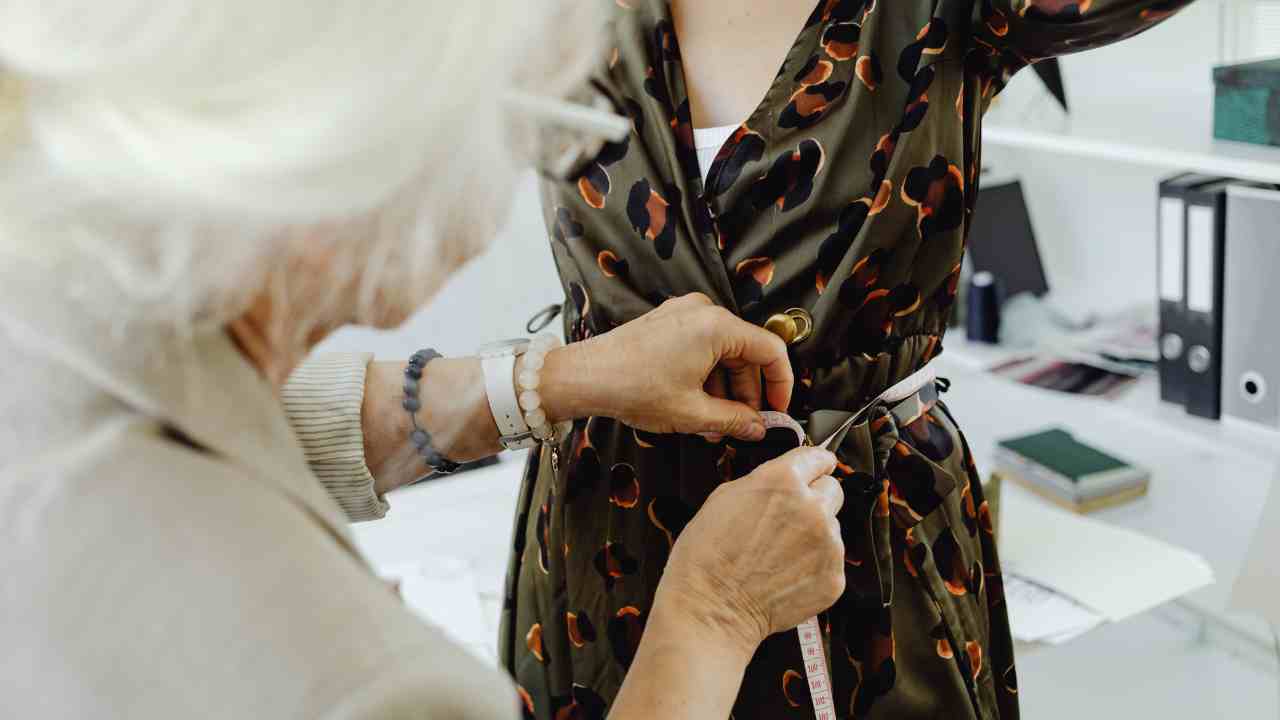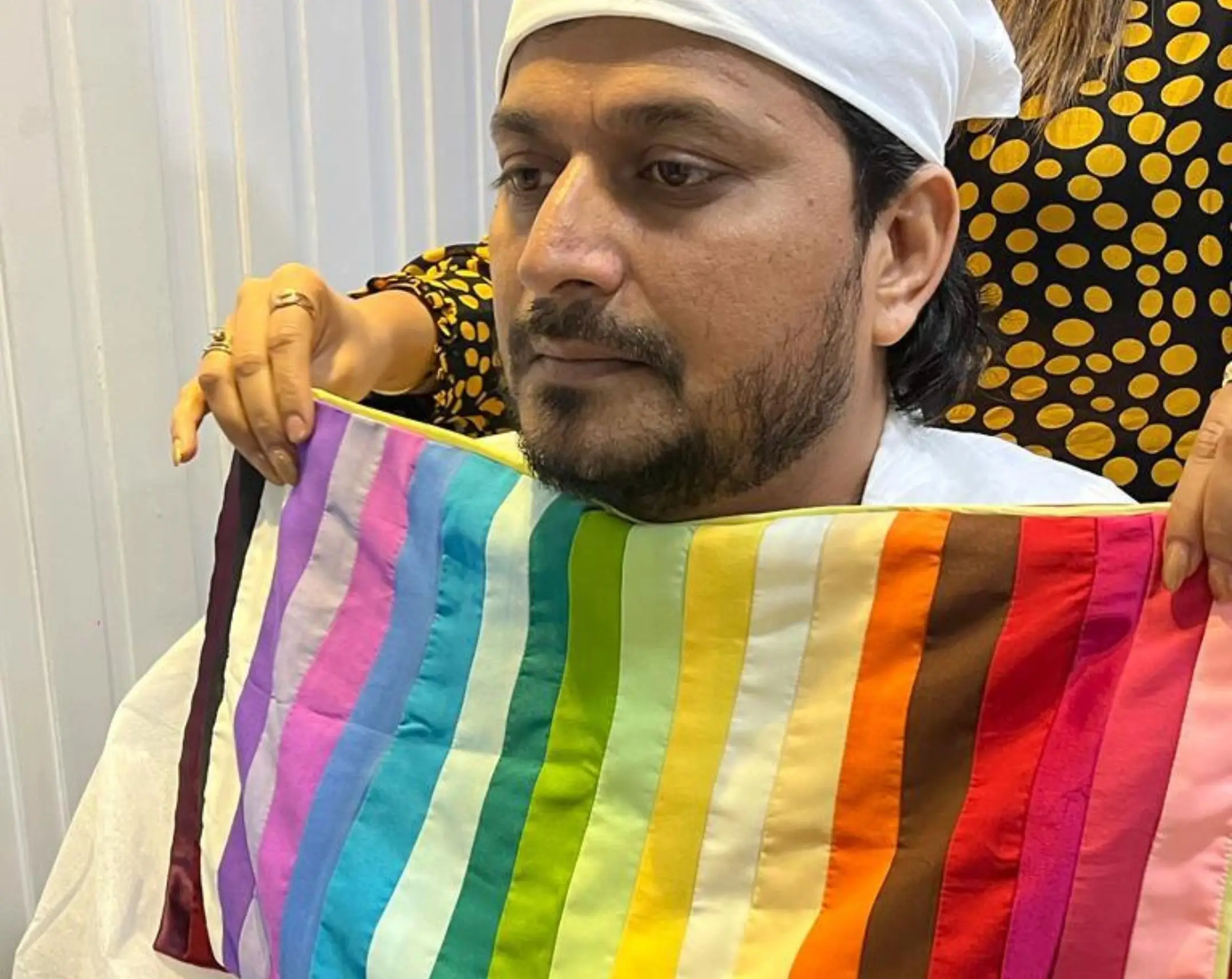
Choosing the right colours can completely transform your appearance—your skin looks brighter, your eyes look sharper, and even your facial symmetry appears enhanced. That’s exactly why colour analysis is gaining massive popularity globally, especially in the beauty and fashion world.
But today, there are two major systems people compare: Korean colour analysis and the seasonal colour analysis method. And if you’re confused about which one is better, more accurate, or more suitable for Indian skin tones—you’re not alone.
In this ultimate guide, we’ll break down both systems using real examples, expert insights, and simple explanations so you can discover which method is ideal for your personal style transformation.
Let’s get straight into it.
What is Seasonal Colour Analysis?
Seasonal colour analysis is the classic method introduced in the 1980s. It groups people into four seasonal palettes—Spring, Summer, Autumn, Winter—based on undertones, contrast levels, hair colour, and eye colour.
How It Works
A consultant evaluates:
- Skin undertone (warm, cool, neutral)
- Depth (light, medium, deep)
- Contrast (low or high)
- Hair and eye pigmentation
Based on these elements, you are placed into a colour season.
The Four Seasonal Categories
- Spring (Warm + Light): Fresh, bright, warm tones
Examples: warm peach, coral, golden beige - Summer (Cool + Light): Soft, muted, cool tones
Examples: powder blue, lavender, rose pink - Autumn (Warm + Deep): Rich, earthy, warm tones
Examples: olive green, mustard, burnt orange - Winter (Cool + Deep): Bold, dramatic, cool tones
Examples: black, cobalt blue, icy pink
Strengths of Seasonal Colour Analysis
- Easy to understand
- Provides broad guidance
- Works well for basic wardrobe planning
Limitations
- Too broad—many people fall between categories
- Not fully accurate for Asian/Indian complexions
- Doesn’t consider colour intensity or brightness scientifically
- Results can vary widely between consultants
Seasonal colour analysis is helpful, but it’s not the most precise tested method available today—especially for diverse undertones found in Indian skin.
What is Korean Colour Analysis?
Korean colour analysis is a scientifically backed, highly detailed method developed in South Korea to match colours with undertones, chroma, brightness, and personal contrast. Unlike the traditional seasonal approach, this system uses advanced draping techniques and categorizes people into 16 sub-seasons instead of 4.
This method exploded globally through K-beauty influencers, Korean stylists, and international colour labs known for their accuracy.
How Korean Colour Analysis Works
Korean consultants evaluate:
- Undertone (cool, neutral-cool, warm, neutral-warm)
- Brightness level
- Saturation
- Contrast between skin, eyes, and hair
- Reaction to 60–100+ professional drapes
Instead of 4 categories, it offers 16 refined palettes, making the results much more personalised.
Core Korean Categories
Korean colour analysis typically includes:
- Light Spring
- Warm Spring
- True Spring
- Clear Spring
- Light Summer
- Cool Summer
- Soft Summer
- Deep Summer
- Warm Autumn
- True Autumn
- Deep Autumn
- Muted Autumn
- Cool Winter
- Deep Winter
- Clear Winter
- Bright Winter
This allows extremely personalised palette recommendations.
Why Korean Colour Analysis Is More Accurate
Korean colour analysis considers much more than undertone. It evaluates micro-details such as:
- How your skin reacts to brightness
- Whether your face looks slimmer with muted or clear tones
- Whether cool tones sharpen your features
- Whether warm tones add glow or dullness
- How lipstick and hair colour react against your skin
Real Impact Example:
A client who looked “washed out” in pastel pink (seasonal Summer) discovered she looked radiant in clear cool tones like fuchsia and magenta (Korean Clear Winter), completely changing how she shopped for clothes and makeup.
Korean Colour Analysis vs Seasonal Colour Analysis: Key Differences
Feature
Seasonal Colour Analysis
Korean Colour Analysis
Number of categories
4
16
Accuracy
Basic
Highly precise
Scientific method
Low
High
Best for Indian skin?
Not always
Yes
Customisation level
General
Highly personalised
Makeup guidance
Limited
Detailed (blush, lipstick, haircolor)
Brightness/chroma assessed
No
Yes
Undertone breakdown
Warm/Cool
12+ micro variations
Why Korean Colour Analysis Works Better for Indian Skin Tones
India has diverse undertones—olive, golden, neutral-warm, cool-neutral, rich deep tones, etc. Seasonal colour analysis often misidentifies these undertones because the system was built for Western skin.
Korean colour analysis, however:
- Works on undertones commonly found in Asian skin
- Adjusts for melanin depth
- Considers how brightness changes facial harmony
- Identifies the right level of saturation
- Helps choose makeup shades tailored to your undertone family
This makes it highly effective for:
- Brown skin
- Dusky skin tones
- Olive undertones
- Neutral-golden undertones
- South Asian pigmentation patterns
Which One Should You Choose?
Choose Seasonal Colour Analysis If You Want:
- Basic wardrobe direction
- A simple system
- A general starting point
Choose Korean Colour Analysis If You Want:
- Accurate and personalised results
- A scientifically backed system
- A makeover that transforms your entire look
- Tailored makeup, hair, and wardrobe recommendations
- A palette that works for your exact undertone and brightness
If your goal is a complete appearance upgrade, Korean colour analysis is the more effective approach.
Frequently Asked Questions (FAQs)
1. What is Korean colour analysis?
It’s a precise colour system that categorises you into 16 palettes based on undertone, brightness, and saturation.
2. What is seasonal colour analysis?
A traditional method that assigns you to Spring, Summer, Autumn, or Winter using colour drapes.
3. Is Korean colour analysis better?
Yes, because it provides personalised, accurate results, especially for Asian and Indian skin tones.
4. Which method helps with makeup and fashion choices?
Korean colour analysis is more detailed for makeup, hair, and outfits.
5. Does colour analysis really change appearance?
Absolutely. The right colours make your skin glow, enhance facial definition, and improve overall presence.
6. Does seasonal analysis still work?
Yes, but it is less detailed than modern Korean systems.
7. Is the Korean method suitable for men?
Yes—many men use it for grooming, wardrobe management, and professional image upgrades.
Conclusion
Choosing between Korean colour analysis and seasonal colour analysis depends on how deep you want to go.
If you want precision, accuracy, and personalised transformation, Korean colour analysis is the gold standard. It aligns perfectly with Indian skin tones, modern styling needs, and professional grooming.